
Chemist Notes
Masala Chai Is More Than a Fall Flavor
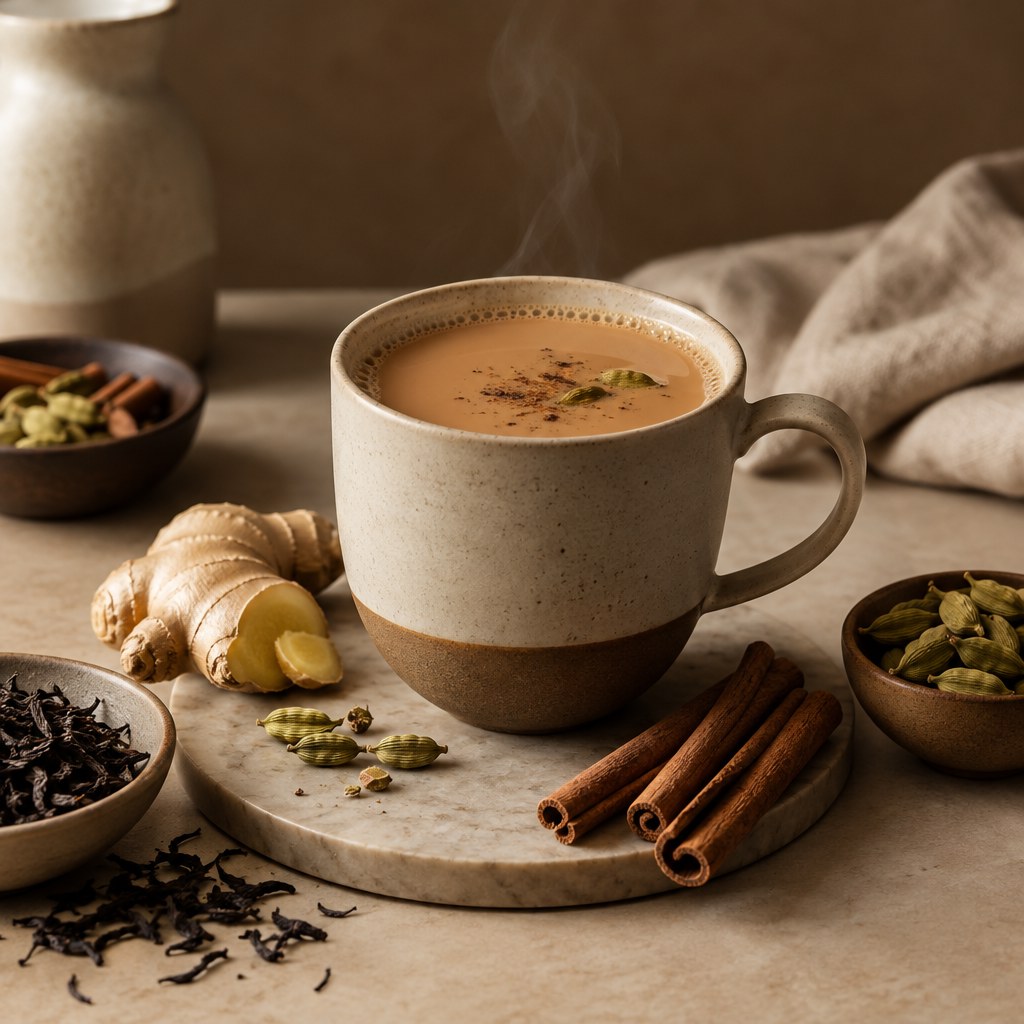
Fall has a way of making spice feel inevitable. Cinnamon shows up in candles, desserts, coffee syrups, and nearly everything labeled “cozy.” But masala chai deserves more than a seasonal cameo.
At its heart, masala chai is a layered drink built from tea, spice, milk, and sweetness. The exact recipe changes from kitchen to kitchen and family to family, which is part of what makes it so interesting: there is no single universal formula. There is technique, tradition, preference—and a little chemistry.
Masala chai starts with tea, not spice
“Chai” simply means tea in several South Asian languages. What many U.S. coffee shops call a “chai tea” is usually masala chai: spiced tea. A strong black tea base gives the drink structure and enough character to stand up to milk and aromatic spices.
That balance matters. Too little tea and the spices can take over. Too much steeping and bitterness can crowd out the warmer notes you were trying to create.
Why the spices taste warmer together
Masala chai blends often include some combination of cinnamon, cardamom, ginger, cloves, black pepper, fennel, or other aromatics. Each contributes something different: sweetness, brightness, heat, depth, or fragrance.
When those aromatics meet hot water, their flavor compounds begin moving into the brew. Milk changes the experience again. Its fat can soften sharper edges and carry aromatic compounds across the palate, while sweetness can make certain spice notes seem rounder and more pronounced.
That is the chemistry we love at The Coffee Chemist: small changes in ingredients and preparation can completely change what you notice in the cup.
How to make your cup your own
There is no prize for making masala chai the “right” way. Start with a solid blend, then experiment deliberately.
- Want more intensity? Use a little more tea or extend the spice infusion before adding milk.
- Want a softer cup? Increase the milk slightly or shorten the tea steep.
- Want more warmth? Add fresh ginger or a touch more black pepper.
- Want the aromatics to pop? Try a little sweetness and notice which spice moves forward.
Change one variable at a time. That is how you turn a cup of tea into a tiny flavor experiment.
Masala chai is bigger than pumpkin-spice season
It fits beautifully into fall, but masala chai is not a fall invention or a seasonal trend. Its roots run through South Asian tea culture, and its many variations reflect real households, regions, tastes, and histories.
So enjoy the cozy cup—but stay curious about where it comes from, too. Flavor gets more interesting when culture stays in the conversation.
Ready to run your own tea experiment?
Explore The Coffee Chemist shop and look for our Masala Chai, or use Find My Next Brew when you want help choosing what belongs in your next cup.
Brewed with Curiosity. Rooted in Culture.