
Chemist Notes
How to Brew Masala Chai at Home: Tea, Spice, Milk & Timing
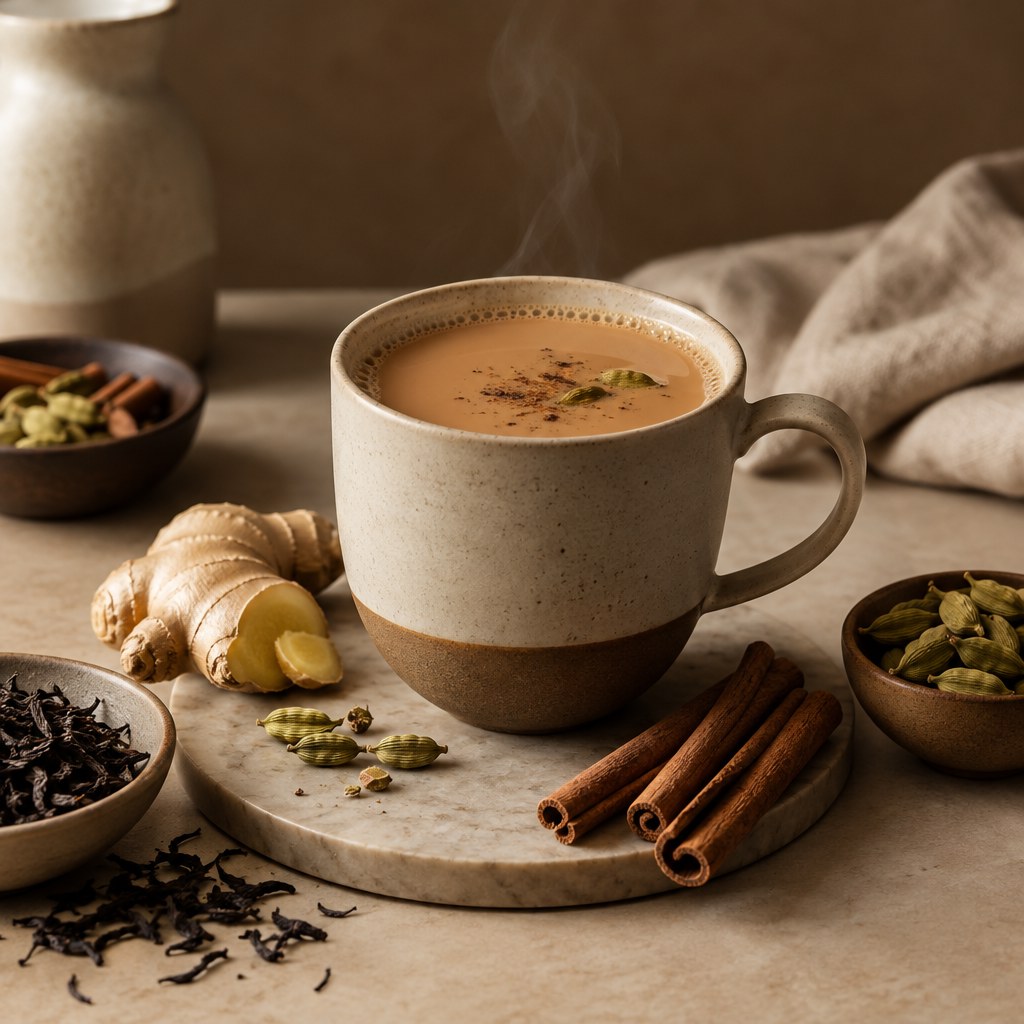
A good cup of masala chai is a conversation between tea, spice, milk, and time. The ingredients are familiar; the balance is personal. If your chai sometimes tastes watery, too sharp, or buried under sweetness, a few small adjustments can make a remarkable difference.
Masala chai has deep roots in South Asian tea traditions, with countless household and regional variations. There is no single definitive recipe. What follows is a practical starting point for brewing a satisfying cup at home—and a way to experiment without losing sight of the culture behind the drink.
What makes masala chai different?
Chai means tea in Hindi and several other languages; masala refers to a spice mixture. Masala chai typically brings black tea together with aromatic spices, often milk and sometimes sweetener. Cardamom, ginger, cinnamon, cloves, and black pepper are common possibilities, but blends vary widely.
The key is balance. Black tea gives the cup structure. Spices add aroma and warmth. Milk changes body and softens some sharper edges. Sweetener, if you use it, can round out the flavors—but it should not be the only thing you taste.
For more on the drink’s cultural context, read Masala Chai Is More Than a Fall Flavor.
How to brew masala chai at home
Start with these proportions for about two small servings:
- 1 cup water
- 1 cup milk or an unsweetened milk alternative
- 2–3 teaspoons loose-leaf masala chai blend, adjusting to the blend’s strength and package directions
- Optional: a few thin slices of fresh ginger or a lightly crushed cardamom pod
- Optional: sugar, honey, or another sweetener to taste
Step 1: Warm the water and aromatics
Bring the water to a gentle simmer. If you are adding fresh ginger or whole spices, let them infuse for two to three minutes. This gives the aromatics a head start without requiring a long boil of the tea itself.
Step 2: Add your masala chai blend
Add the loose-leaf blend and simmer gently for roughly two to three minutes. A stronger black-tea blend may need a little less time; a spice-forward blend may need more. Follow the product’s brewing directions when they differ.
Step 3: Add milk and heat gently
Pour in the milk and bring the mixture back to a gentle simmer for another two to three minutes, watching the pot so it does not boil over. Taste before adding sweetener. Strain into cups and serve warm.
Prefer a lighter cup? Try more water and less milk. Want a richer cup? Increase the milk slightly. Keep the tea quantity and timing consistent so you can tell which change made the difference.
The chemistry: why timing changes the taste
Hot water extracts soluble compounds from tea and spices. As the brew sits, more compounds move into the liquid—including some that contribute bitterness and astringency. A longer simmer is not automatically a better simmer.
Milk adds texture and changes how you perceive some aromas and sharp notes. Sweetness can make spices seem warmer and fuller. That is why a chai blend can taste dramatically different when brewed in water alone versus simmered with milk.
The simplest way to understand your preferences is to change one variable at a time: the tea quantity, the spice infusion, the milk ratio, or the sweetener.
Three common chai problems—and how to fix them
My chai tastes weak
Use a little more blend next time rather than simmering the black tea indefinitely. Check that your spices and tea are fresh and aromatic.
My chai tastes bitter or drying
Reduce the tea simmering time, or use slightly less tea. If you added extra whole spices, scale them back and compare.
My chai tastes like sweet milk
Taste the tea before sweetening it. Try a stronger tea-to-liquid ratio, then add sweetener gradually so the tea and spice remain recognizable.
Make it a three-cup experiment
Over three mornings, use the same masala chai blend and make one controlled change. First, brew your baseline recipe. Next, increase the spice-only infusion by a minute. Finally, keep the baseline timing but use a little less milk. Write down which cup tastes most balanced to you.
There is no scorecard here. There is only a better understanding of your palate—and respect for a drink whose history is much bigger than a seasonal menu.
Find your next tea ritual
Start with a blend you are excited to explore. Browse The Coffee Chemist tea collection for Masala Chai and other loose-leaf options. For more fundamentals, see Chemist Notes and our guide to tea steeping. Not sure what suits your taste? Try Find My Next Brew.
Brewed with Curiosity. Rooted in Culture.