
Chemist Notes
Guatemala in the Cup: What Origin Can Tell You About Coffee
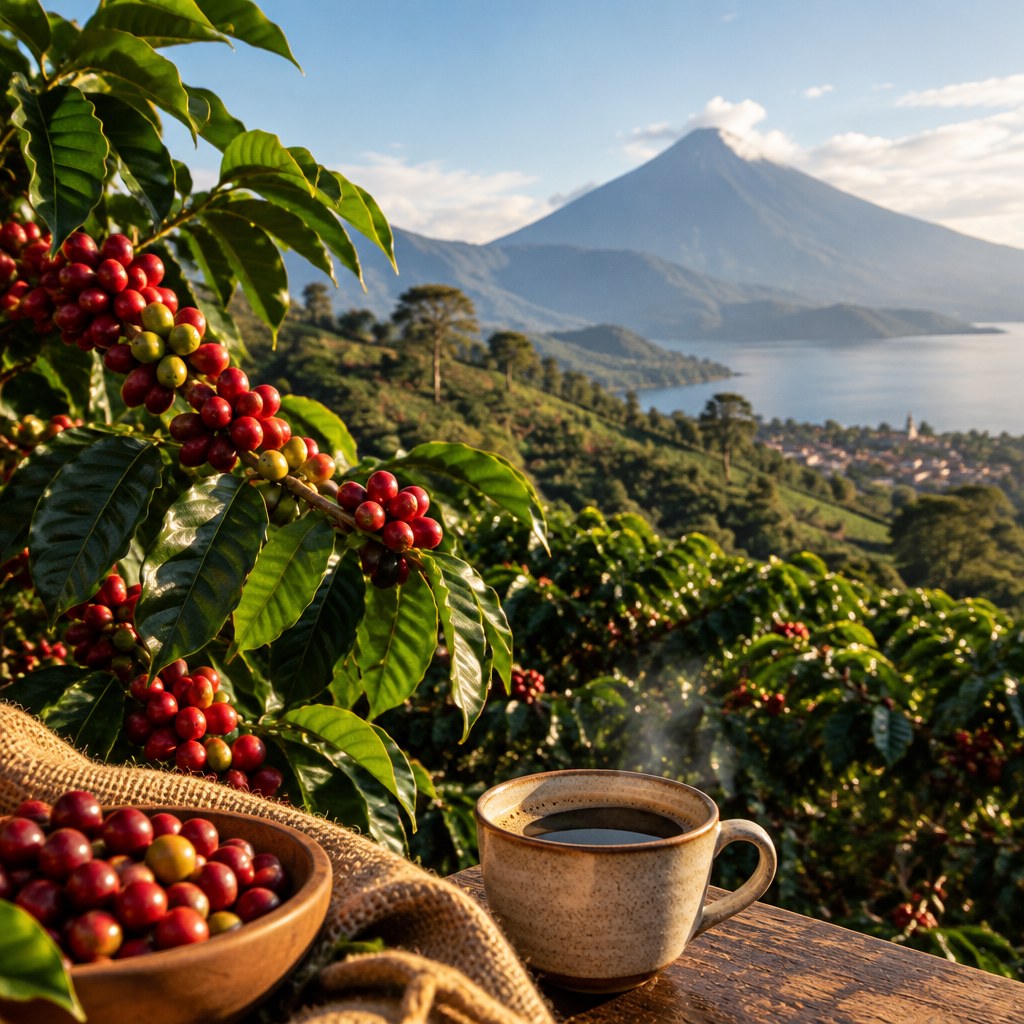
When a coffee bag says Guatemala, it is tempting to treat that one word as a flavor description.
But origin is not a shortcut. A country can hold many growing regions, climates, elevations, soils, processing traditions, farms, and communities. The more useful question is not simply, “What does Guatemalan coffee taste like?” It is, “What can this origin help me understand about the coffee in front of me?”
Guatemala is not one coffee profile
Guatemala’s coffee landscape is shaped by dramatic geography. Coffee is grown across multiple regions, many of them at high elevations and influenced by volcanic soils, rainfall patterns, and temperature shifts between day and night.
Those conditions can contribute to coffees with lively acidity, sweetness, structure, and a wide range of flavor expressions. But no single tasting note belongs to every Guatemalan coffee.
A coffee from Antigua may not taste like one from Huehuetenango. A washed coffee may present differently from another process. Roast level, varietal, harvest conditions, and brewing method all change what you experience in the cup.
That is why origin should open a conversation rather than end one.
Region matters
Guatemala’s national coffee association, Anacafé, recognizes several distinct coffee regions. Names such as Antigua, Huehuetenango, Atitlán, Cobán, Fraijanes, and others appear frequently in specialty coffee because regional conditions can shape how coffee grows and develops.
Elevation is especially important. At higher elevations, coffee cherries often mature more slowly. That longer development can help produce dense beans and complex flavors, though altitude alone never guarantees quality.
Weather matters too. Rainfall, dry seasons, temperature, shade, and exposure all influence plant development. Farming choices, harvesting practices, and processing after picking are just as important.
Origin is also about people
It is easy for coffee conversations to become so focused on flavor that we forget coffee is agricultural work.
Every bag begins with people planting, tending, harvesting, sorting, processing, drying, moving, buying, roasting, packaging, and selling coffee. When we talk about origin, those human systems belong in the story too.
That does not mean a product page should make sweeping claims about farmers, communities, or sourcing arrangements it cannot verify. It means origin deserves enough respect that we do not reduce a country to a few romantic adjectives.
“Guatemala” is geography. It is history. It is agriculture. It is culture. And for coffee drinkers, it is an invitation to learn more about how place can influence flavor.
How to taste an origin coffee with more curiosity
You do not need professional cupping skills to explore an origin. Start with a few simple observations.
- Notice the aroma. What do you smell before and after adding water?
- Pay attention to acidity. Does the cup feel bright, crisp, soft, or round?
- Look for sweetness. Does it remind you of caramel, fruit, chocolate, honey, or something else?
- Notice the body. Does the coffee feel light, silky, creamy, or full?
- Watch how it changes as it cools. Some flavors become easier to notice at lower temperatures.
Tasting notes are comparisons, not ingredients. If a coffee is described as chocolatey or citrus-like, that usually means the sensory experience reminds the taster of those flavors. It does not mean chocolate or citrus was added unless the ingredient list says so.
Why Guatemala is a useful place to begin
For someone learning about coffee origins, Guatemala is a strong starting point because it demonstrates how much variation can exist inside one country.
Instead of memorizing a rule like “Guatemalan coffee tastes like this,” try building a habit of comparison. Taste one coffee. Notice what you experience. Later, try another coffee from Guatemala or another origin and compare.
That is where origin becomes useful—not as a promise that every cup will taste the same, but as one piece of evidence helping you understand why coffees can taste so different.
The label is the beginning of the story
At The Coffee Chemist, we believe an origin name should make you more curious, not less.
Ask where the coffee was grown. Look for regional information when it is available. Notice the roast level and process. Compare what the bag says with what you actually taste.
The point is not to turn your morning coffee into homework. It is to give you just enough context to make the cup more interesting.
Because when you know a little more about where coffee comes from, flavor stops being just a list of tasting notes. It becomes part of a much larger story.
Explore more: Ready to taste origin in a more tangible way? Browse The Coffee Chemist coffee collection, then read Coffee Flavor Notes, Explained Simply and Light, Medium, and Dark Roast: What’s the Real Difference? to see how origin, roast, and flavor come together in the cup.